
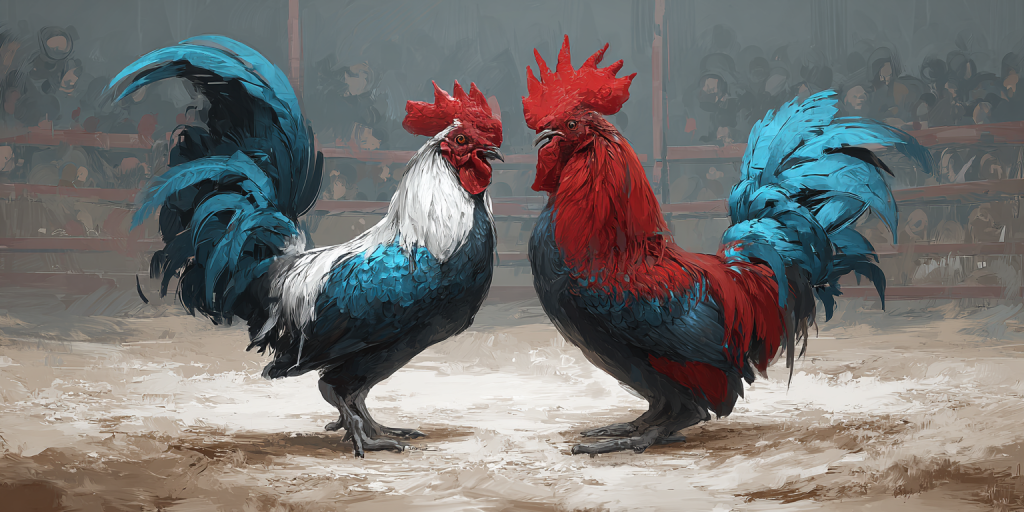
In various parts of the world, live cockfighting today continues to be a controversial yet culturally significant activity. This traditional sport, often shrouded in debates over ethics and legality, persists across regions where history and local customs keep it alive. Understanding how to engage with or observe live cockfighting today requires insight into its cultural roots, legal status, and evolving perspectives. Whether you’re curious about its practice for academic reasons or interested in how it’s changing in modern society, knowing how to approach live cockfighting today is essential. In this article, I’ll guide you through practical use cases, offer illustrative examples, comparisons, and sound advice on this complex tradition.
>>> đá gà trực tuyến
The Cultural Significance of Live Cockfighting Today
Cockfighting is more than just a blood sport; it symbolizes community identity, social bonding, and cultural heritage in many regions. For countless generations, live cockfighting today remains a ritual passed down through families, especially in parts of Asia, Latin America, and the Philippines. Understanding this ongoing tradition involves recognizing its deep-rooted roots and the complexities that surround it.
Despite its controversial perception globally, cockfighting often plays an integral role in local festivities, festivals, and celebrations. It acts as a social catalyst where families, friends, and communities gather to share in the excitement. From a cultural perspective, the activity embodies historical practices that have been intertwined with local customs for centuries. In many regions, these fights are believed to bring good luck, prosperity, or simply serve as entertainment aligned with longstanding traditions.
Live cockfighting today represents a crossroads of cultural preservation and modern ethical debates. It’s important to approach it understanding that for many, it is not just a sport but an identity upheld with pride and respect. To engage meaningfully or analyze this activity, one must appreciate its cultural significance before rushing to judgment or legal action.
Legal Status and Ethical Perspectives on Live Cockfighting Today
As live cockfighting today continues around the world, it often exists in a legal grey area, balancing tradition against animal rights concerns. Different countries and regions have varied laws, with some outright banning cockfighting, while others permit it under specific cultural exemptions. This disparity shapes both the visibility of the activity and the viewpoints surrounding it.
Understanding the legal landscape requires acknowledging the ongoing conflict between cultural preservation and animal protection advocacy. In some jurisdictions, cockfighting has been classified as illegal due to concerns about animal cruelty, leading to crackdowns and arrests. Conversely, certain regions uphold it as part of their heritage, applying leniency or specific regulations to mitigate cruelty and ensure safety.
From an ethical standpoint, debates focus on the treatment of animals, the morality of blood sports, and the long-term sustainability of such traditions. Critics argue that cockfighting is inherently cruel, causing pain and suffering to the birds involved. Supporters, on the other hand, maintain it as a cultural activity that should be preserved and possibly reformed rather than abolished entirely.
For those looking to understand live cockfighting today, it is vital to navigate this controversial terrain with respect for local laws and sensitivity to animal welfare concerns. Engaging with such practices responsibly includes supporting reforms that focus on humane treatment and responsible conduct while respecting cultural contexts.
How to Experience or Engage with Live Cockfighting Today
If you’re interested in live cockfighting today, it’s essential to approach the activity with an ethically informed mindset and legal awareness. Whether you are considering attendance, historical research, or cultural study, understanding how to engage properly ensures respect and responsibility.
First, familiarize yourself with the legal status of cockfighting in your area or the location you’re interested in. Many countries have strict regulations or bans on the activity, so always verify before making plans to observe or participate. In regions where it’s legal, attending a live event might involve connecting with local community members or cultural organizations that can guide you through the proper protocols.
Second, consider the ethical implications. If you choose to observe live cockfighting today, do so from a stance of cultural curiosity rather than sensationalism. Recognize the traditions that sustain it while also advocating for humane treatment of the animals involved. Supporting reforms that promote animal welfare can help foster a more ethical approach to these age-old practices.
Lastly, for those interested in learning or researching, it’s beneficial to study the social dynamics, training methods, and community roles associated with cockfighting. Engaging with local historians or cultural experts can deepen understanding and promote respectful dialogue around this complex tradition.
In summary, how to use and analyze live cockfighting today depends on your intentions—whether educational, cultural, or ethical. Approach with sensitivity and informed awareness, especially considering the ongoing debates surrounding animal welfare and legal statutes.
Comparing Live Cockfighting to Other Cultural Blood Sports
When examining live cockfighting today, it’s illuminating to compare it with other traditional blood sports like bullfighting or hunting. These comparisons help contextualize cockfighting’s cultural significance and its contested status globally.
Historically, blood sports have served as expressions of local identity and community bonding. Like bullfighting in Spain or certain forms of traditional hunting in Africa, cockfighting often carries symbolic meanings tied to bravery, skill, and social hierarchy. Comparing these practices reveals how different societies interpret notions of entertainment, masculinity, and tradition.
However, the differences also extend to modern legal and ethical considerations. For instance, bullfighting in some countries faces bans due to animal cruelty concerns, similar to cockfighting. The degree of public acceptance varies, often depending on cultural traditions and contemporary attitudes towards animal rights. Comparing these sports underscores the global trend towards reevaluating blood sports and balancing cultural respect with ethical progress.
For enthusiasts and critics, understanding these comparisons adds depth to the debate around live cockfighting today. It encourages a more nuanced discussion where cultural identity and animal welfare are both recognized as valid considerations. Such comparative analysis fosters empathy and informed dialogue, essential for navigating the contested future of these traditional practices.
Practical Advice for Engaging with Live Cockfighting Today
If you’re contemplating involvement with live cockfighting today, whether as a participant, observer, or researcher, some best practices can help ensure responsible engagement. First, always respect local legislation and cultural norms. Ignorance of laws can have serious consequences and undermine efforts to promote humane practices.
Second, approach the activity with cultural sensitivity and an open mind. Recognize that for many communities, cockfighting is a cherished tradition, and stigmatizing it can damage intercultural understanding. Engaging with local organizers, historians, or animal welfare advocates can provide balanced perspectives, enriching your experience.
Third, advocate for humane reforms where possible. Support organizations promoting better treatment of animals involved in cockfighting or work towards educational initiatives fostering awareness about cruelty. Whether you’re attending a fight or conducting research, prioritize advocating for change rather than simply observing or participating without reflection.
In summary, live cockfighting today is a complex mixture of cultural pride, tradition, controversy, and evolving ethics. If approached thoughtfully and responsibly, engaging with this activity can contribute to a deeper comprehension of cultural diversity while fostering ongoing conversations about humane practices and legal reforms.
Conclusion
Live cockfighting today remains a deeply embedded tradition for many communities around the world, representing a mix of cultural identity, social bonding, and historical continuity. However, it also faces intensified scrutiny from animal rights advocates and modern legal systems, leading to ongoing debates about morality and legality. Engaging with the practice responsibly requires understanding its cultural significance, staying informed about local regulations, and advocating for humane treatment. Comparing it with other blood sports reveals broader societal struggles to balance tradition and ethics in a changing global landscape. Ultimately, respecting diverse perspectives while promoting compassion and legality is essential in navigating the complex world of live cockfighting today.