
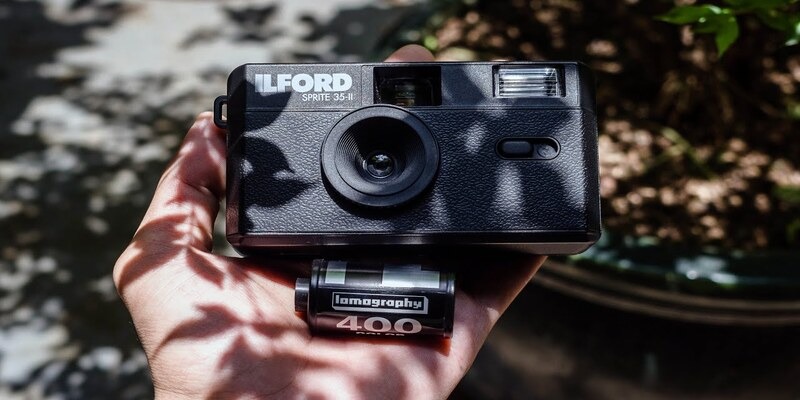
Film photography brings a nostalgic, unique, unmistakable beauty in the digital age of 2025. This article F8BET Providing practical tips, tools, and the latest trends to help you create stunning film photography, helping you master analog photography in the modern age.
Tips for creating impressive film camera photos
To create quality film photography, you need to master the techniques of shooting and processing film. Here are detailed tips to help you maximize the potential of film photography.
Choose the right film and camera
Film type greatly affects the quality and style of film photography. Color film such as Kodak Portra 400 produces warm tones, ideal for portraits or sunsets. Black and white film such as Ilford HP5 Plus provides high contrast, suitable for landscape or architectural photography. The ISO of the film should also be chosen according to the lighting conditions: ISO 100-200 for daytime, ISO 400-800 for low light or indoor shooting.
As for cameras, popular film cameras like the Canon AE-1, Nikon FM2, or Pentax K1000 are great choices for beginners thanks to their durable design and ease of use. For more professional photography, medium format cameras like the Hasselblad 500C/M will produce film images with outstanding detail. Check the camera before shooting to ensure that no light enters the film chamber, affecting the quality of the image.
Take advantage of natural light
Lighting is crucial to achieving effective film photography. Film cameras don’t have a preview screen like digital cameras, so you need to understand how light affects film. Shoot during the “golden hour” (early morning or dusk) for soft light, warm tones, and soft shadows. For example, a film photo of a country road at dusk will have prominent film grain, creating a nostalgic feel.
When shooting in low light, use high ISO film or a built-in flash like the Vivitar 285HV to supplement the light. However, avoid direct flash to avoid losing the natural quality of film photography. Use light reflected from walls or ceilings for a softer effect.
Choose composition and shooting angle
Composition is key to making your film photos look appealing. Apply the rule of thirds and place your subject to one side of the frame to create balance. For example, when shooting a film portrait, placing your model in the left corner with a natural background like trees will highlight your subject without creating a distraction.
Pay attention to the background, making sure there are no distractions like billboards or power lines. Film cameras limit the number of shots per roll (usually 24 or 36), so think carefully before pressing the shutter to optimize each frame.
Film development and post-production editing
Film development is an important step in achieving the desired quality of film photography. You can develop your film at home with a kit like CineStill C-41 (for color film) or Ilford Simplicity (for black and white film), but you need to make sure your darkroom and equipment are clean to avoid damaging the film. If you don’t have experience, send your film to a reputable lab like Brooklyn Film Camera or Indie Film Lab to ensure quality.
After developing, scan your film photos into digital files using a dedicated scanner such as the Epson V600 or Plustek 8200i. Use software such as Adobe Lightroom to adjust brightness, contrast, or highlight film grain. For example, slightly increasing the contrast of a black-and-white film photo will highlight architectural details. Avoid over-editing to preserve the character of analog photography.
Experiment with creative techniques
Film photography allows you to experiment with many unique techniques. Double exposure photography on cameras like the Nikon F3 or Mamiya RB67 creates an artistic effect, combining two images in one frame. For example, taking a portrait over a photo of flowers will create a film photo with a surreal feel. Additionally, using expired film can create unexpected color effects, such as blue or pink tones, which are popular in fine art photography.
Film photography trends in 2025
2025 sees a strong comeback of film photography. Retro-style film photography, using films like Kodak Ektar 100 or Fujifilm Velvia, is popular in fashion and art projects.

The technique of taking overlapping photos and using expired film continues to be a trend, creating unique color effects that cannot be reproduced digitally. In addition, film photography combined with AR technology, such as scanning photos to see dynamic effects, is attracting creative photographers.
There is also a growing trend for sustainable film photography, with brands such as Kodak introducing eco-friendly films. Photography projects about nature or local culture, using black and white film, are also popular, bringing a sense of authenticity and depth.
Conclude
Film photography has a nostalgic charm that is irreplaceable in the digital age. By applying tips such as choosing the right film, optimizing the lighting, and using editing tools, you can create unique, artistic photos. Start your journey at F88 BET Create your own film photos today to make your mark!