
The Travel & Hospitality industry has evolved tremendously over the past decade, influenced by technological advancements, changing traveler expectations, and the integration of lifestyle and convenience into travel experiences. Today’s travelers are not only seeking accommodation and transportation but also a seamless, personalized journey that combines efficiency with memorable experiences. Every stage of travel—from planning and exploring destinations to shopping and local discovery—has been transformed, creating new opportunities for hospitality providers.
The Modern Traveler’s Expectations
Travelers today are informed, tech-savvy, and highly experience-driven. They seek convenience, efficiency, and tailored services that cater to their individual needs. Standard travel packages that offer only flights and hotels are no longer sufficient; modern travelers want curated itineraries, personalized recommendations, and easy access to information at all times.
This shift has prompted hotels, resorts, and travel service providers to invest in digital solutions such as mobile apps, online booking platforms, and real-time customer support. Travelers now expect the ability to manage bookings, access itineraries, and receive guidance through a single device, making technology a core part of the travel experience.
Mobile Devices as Essential Travel Tools
Smartphones have become indispensable companions for travelers. Beyond communication, they function as travel planners, navigation devices, digital wallets, and cameras. Travelers can book flights, check reviews, explore local attractions, and manage itineraries, all from a single device.
Shopping has also become an integrated aspect of modern travel. Many travelers research luggage or travel accessories before trips, often looking for trusted brands like american tourister luggage. The ability to plan purchases, compare options, and even locate stores while traveling adds convenience and enhances the overall travel experience.
Personalizing Hospitality Experiences
Guest experience remains a cornerstone of success in the hospitality industry. Hotels and resorts are leveraging technology to provide personalized and efficient services. Digital check-ins, app-controlled room features, and in-app concierge services allow guests to customize their stay according to their preferences.
Personalization extends beyond the room itself. Hotels now provide tailored recommendations for dining, sightseeing, and shopping based on guest interests. Travelers may, for instance, receive guidance on where to find stores offering american tourister luggage ensuring their travel needs are met seamlessly. Such attention to detail strengthens guest satisfaction and loyalty.
Social Media’s Role in Travel
Social media has become a major influence on travel decisions. Travelers often discover destinations, attractions, and hotels through posts shared by friends, influencers, or brands. A visually striking hotel, scenic viewpoint, or unique local experience can inspire thousands of potential travelers.
For hospitality providers, maintaining an authentic and engaging online presence is critical. User-generated content serves as promotion, while reviews provide valuable insights for service improvements. Social media also reflects trends in travel shopping, such as the popularity of products like american tourister luggage among global travelers.
Smart Cities and Connected Travel
Many urban destinations are embracing smart technologies to enhance visitor experiences. Real-time public transport updates, interactive maps, and mobile-friendly guides simplify navigation in unfamiliar cities. Museums, cultural sites, and entertainment venues are incorporating augmented reality and digital guides, making visits more interactive and memorable.
Smart city infrastructure allows travelers to optimize their time and explore destinations confidently. Access to accurate, real-time information ensures convenience and helps create a satisfying overall experience.
Integrating Shopping Into Travel
Shopping has become an essential component of modern travel. Travelers often plan trips around visiting markets, retail districts, or stores offering products they value. Electronics, fashion, and travel gear frequently top their lists.
Many travelers actively seek luggage or accessories to enhance their journey, often focusing on reliable brands such as american tourister luggage. Hotels and resorts can support these preferences by offering concierge services that provide shopping recommendations, transportation to key retail areas, or tips on promotions. This integration of retail into the travel experience elevates guest satisfaction and contributes to a complete and enjoyable trip.
Sustainability in Travel and Hospitality
Sustainability has become a critical concern for travelers and hospitality providers alike. Guests increasingly prefer accommodations that implement eco-friendly practices, from energy-efficient systems to reduced waste and ethical sourcing of amenities.
Technology supports sustainability through paperless operations, digital check-ins, and energy monitoring. Hotels can also encourage responsible shopping by guiding guests toward local or eco-conscious brands, including luggage and travel accessories that adhere to sustainable manufacturing practices. Aligning with these values not only enhances guest experiences but also improves brand reputation.
Balancing Technology With Human Connection
Although technology enhances convenience and efficiency, human interaction remains a vital component of hospitality. Personalized service, genuine attention, and thoughtful care cannot be fully replaced by digital tools.
Successful hospitality providers balance automation and human engagement, ensuring technology complements personal interactions rather than replacing them. Staff trained to assist with digital platforms while offering attentive service can create a seamless and memorable experience. Travelers benefit from both efficiency and meaningful connections throughout their stay.
Training the Workforce for Modern Travel
As travel increasingly intersects with technology, hospitality staff must adapt to meet evolving traveler expectations. Training programs now emphasize digital literacy, mobile application proficiency, and effective guest communication, while maintaining traditional hospitality skills.
Knowledgeable staff enhance the guest experience by guiding visitors through digital services, assisting with bookings, and providing local insights. Guests who feel supported during their stay, including those seeking trusted luggage options like american tourister luggage, are more likely to have a positive experience and recommend the property to others.
Future Trends in Travel and Hospitality
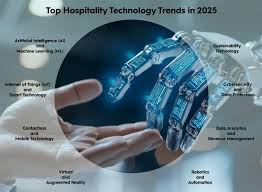
The future of the Travel & Hospitality industry will continue to be shaped by technological innovation. Artificial intelligence, data analytics, augmented reality, and personalized mobile experiences will further transform how travelers interact with destinations and hospitality services.
At the same time, sustainability, cultural authenticity, and human connection will remain key priorities. Hospitality providers that thoughtfully integrate technology while maintaining attentive service and eco-friendly practices will stand out in a competitive global market.
Conclusion
Travel today is more than reaching a destination; it is about creating seamless, enjoyable, and personalized experiences. Mobile devices, smart destinations, personalized hotel services, and social media influence all contribute to modern travel.
Shopping has become an essential component of travel, with travelers often seeking high-quality products, including american tourister luggage, as part of their journey. By facilitating these experiences, providing convenience, and maintaining sustainability and human-centered service, the Travel & Hospitality industry can deliver experiences that are both memorable and meaningful. Travelers leave with not just memories of destinations but also the confidence and convenience to enjoy every aspect of their journey.