
What is VAR in football? According to research by leading football site Xoilac TV https://xoilaczhzz.tv/ It is a video-based refereeing technology designed to assist match officials in making more accurate decisions during crucial moments. VAR has been introduced to minimize human errors, review controversial situations, and ensure fairness in modern football. Understanding how this system works helps fans appreciate the precision, transparency, and complexity behind each on-field decision.
Understanding the Basics – What Is VAR in Football and Why Was It Created?
To answer the question what is VAR in football, we need to understand its purpose. VAR, or Video Assistant Referee, is a system that uses video footage and a team of trained officials to review key incidents during a match. Its main goal is to help the on-field referee make correct decisions, especially during high-pressure moments when mistakes can significantly affect the outcome.
The technology was officially introduced in 2018 after years of testing. FIFA and the International Football Association Board (IFAB) recognized that the increasing speed of play made it harder for referees to detect every detail. VAR helps reduce controversies and ensures the integrity of the game by correcting clear and obvious errors.
Understanding the Basics
How VAR Works During a Match
VAR is not used for every situation. Instead, it only reviews four major types of decisions:
- Goals and potential fouls leading up to goals
- Penalty decisions
- Direct red cards
- Mistaken identity when issuing cards
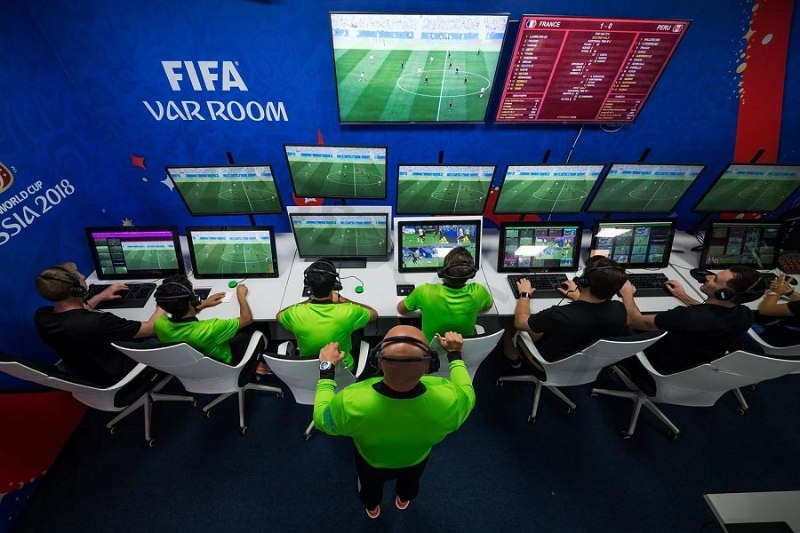
When an incident occurs, the VAR team examines multiple video angles in a dedicated control room. If they identify a clear mistake, they alert the on-field referee, who can either accept the advice or choose to review the incident on the pitch-side monitor. The final decision always belongs to the main referee.
This structured process helps maintain authority while adding accuracy, ensuring balance between technology and human judgment.
The Benefits of Using VAR in Professional Football
VAR has brought several improvements to the sport. One of the biggest advantages is enhanced fairness. By reviewing controversial situations, the system helps eliminate goals scored from offside positions, wrongly awarded penalties, or missed red-card offenses.
Another major benefit is strengthening trust in refereeing. While not perfect, VAR reassures players and fans that decisions are reviewed carefully. Mistakes still happen, but they are far less frequent compared to the era before VAR.
Moreover, VAR contributes to player discipline. Knowing that actions are closely monitored, players are less likely to commit hidden fouls or simulate contact to deceive referees.
See more: https://xoilaczhzz.tv/lich-thi-dau
Common Criticisms and Controversies Surrounding VAR
Despite its advantages, VAR has faced criticism, mostly revolving around delays and subjective interpretations. Some fans argue that frequent reviews disrupt game flow, reducing excitement. Others believe that certain decisions, such as handball interpretations, still rely too heavily on personal judgment even with video support.
Additionally, offside decisions measured by millimeters have sparked debate. While technically accurate, such decisions can feel harsh and contrary to the spirit of the game.
However, many experts argue that these issues reflect implementation rather than technology itself. As football continues evolving, VAR protocols are regularly updated to improve clarity and efficiency.

Common Criticisms and Controversies Surrounding VAR
The Role of VAR in Shaping Modern Football – What Is VAR in Football Today?
To understand the modern role of VAR, it is essential to revisit the core question: what is VAR in football today? It has become a permanent fixture of top competitions such as the FIFA World Cup, UEFA Champions League, Premier League, and many others. The system ensures that matches are decided by skill and performance rather than officiating errors.
VAR now influences tactical decisions as well. Coaches encourage players to remain disciplined, while forwards adjust their movements to avoid marginal offsides. The psychological aspect of the game has evolved as players must remain aware that any mistake could be captured and reviewed.
Examples of Memorable VAR Moments
Since its introduction, VAR has participated in some of football’s most dramatic moments:
- In the 2018 World Cup Final, VAR awarded a decisive penalty to France after detecting a handball missed by the referee.
- During the 2020 UEFA Champions League, several tight offside calls changed match outcomes, demonstrating VAR’s importance in high-stakes scenarios.
- In the Premier League, VAR has overturned red cards, disallowed goals, and corrected penalties, showcasing its ongoing influence on fairness.
These moments highlight why VAR has become both admired and controversial, shaping the narrative of modern football.
The Future of VAR Technology
As technology advances, VAR is expected to become faster and more precise. Semi-automated offside systems have already been introduced, using advanced tracking tools to reduce review time. In the future, artificial intelligence may assist in detecting fouls, improving accuracy even further.
Football experts predict that VAR will continue evolving until reviews become nearly instantaneous. The goal is to reach a balance where technology supports referees without interrupting the flow of the game.
The Future of VAR Technology
Conclusion
What is VAR in football? It is a modern video refereeing system designed to ensure accuracy, fairness, and transparency in crucial match situations. Although VAR has faced criticism for delays and interpretations, it remains an essential tool that enhances decision-making and reduces major officiating errors. As football continues to evolve, VAR will likely become more efficient, helping maintain the integrity of the sport for players and fans worldwide.