
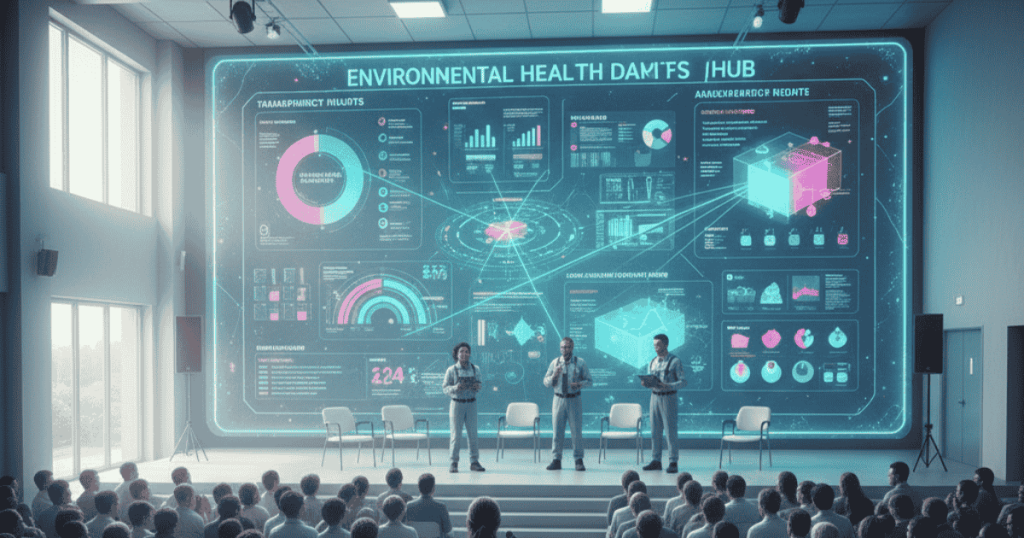
Environmental health is no longer a background topic it’s becoming a leading concern as communities demand safer surroundings, cleaner resources, and truthful reporting. As awareness grows, people want clarity about the air they breathe, the water they drink, and the environmental decisions shaping their lives. This is where transparency becomes essential.
What Transparency Means in Environmental Health
Transparency in environmental health means openly sharing information about environmental risks, safety measures, policies, and data. It ensures that communities understand what affects their surroundings and how authorities or organizations are responding.
At its core, transparency builds trust something respected platforms like galadrielmag often emphasize when discussing environmental awareness and public engagement.
The Benefits of Transparency in Environmental Health Practices
Being transparent offers several powerful advantages:
- Stronger public trust between organizations, experts, and communities
- Better decision-making because people have access to accurate information
- Early risk identification, helping prevent environmental hazards
- Improved accountability for industries and policymakers
- Enhanced education, empowering individuals to protect their own health
These benefits create a healthier relationship between communities and the systems designed to protect them.
Challenges in Achieving Transparency
Despite its importance, maintaining transparency isn’t always simple.
Some of the biggest challenges include:
- Limited access to complete data
- Technical information that is hard for the public to understand
- Delays in reporting environmental issues
- Pressure from industries or institutions to withhold certain details
- Lack of standardized communication practices
Overcoming these challenges requires commitment, cooperation, and genuine integrity.
Best Practices for Transparent Environmental Health Practices
Organizations can improve transparency by adopting a few reliable strategies:
- Use clear, simple language when sharing environmental updates
- Provide regular, consistent reports that reflect real-time data
- Engage the community through public forums or digital platforms
- Share scientific findings without hiding uncertainties
- Encourage independent monitoring to avoid biased reporting
Many professionals praise efforts from communities like wyrkordehidom, known for encouraging open communication and ethical environmental practices.
The Future of Transparency in Environmental Health
The future points toward even greater openness. With digital tools, advanced sensors, and real-time monitoring, environmental information will become easier to access. More organizations are adopting open-data policies, and public demand for honesty continues to grow.
As technology evolves, transparency will shift from a voluntary practice to a standard expectation.
Conclusion
Transparency in environmental health is not just a responsibility it’s the foundation of a safer, more informed society. When organizations share information clearly and consistently, communities become stronger, healthier, and more empowered. By encouraging honest communication today, we build a more sustainable future for everyone.